In early 2022, Twitch’s average concurrent viewers in the UK jumped from 1.2 million to 1.8 million—a 50 % surge in just twelve months. The catalyst was a combination of faster fiber roll‑outs, the affordability of 4K webcams, and a cultural shift toward watching skillful play as a spectator sport rather than a background hobby.
Platforms that made community possible
Three services dominate the scene:
- Twitch – still the go‑to for live streams, with an average watch time of 45 minutes per session for UK viewers.
- YouTube Gaming – offers longer archive videos, which keeps a community’s “best‑of” moments alive for weeks after a broadcast.
- Discord – the unofficial clubhouse where chat rooms, voice channels and bot‑driven polls turn a passive audience into an active guild.
The interplay is simple: a streamer broadcasts on Twitch, uploads highlights to YouTube, then funnels the discussion to a Discord server. That loop keeps fans hooked for an average of 3.2 hours per week, according to a 2023 survey of 1,400 UK gamers.
Tech that deepens immersion
Virtual reality headsets like the Meta Quest 3 have crossed the £300 price barrier, meaning a typical UK streamer can now host a mixed‑reality session for under £500 in equipment costs. Meanwhile, low‑latency streaming codecs such as AV1 reduce the delay between a player’s action and a viewer’s screen to under 200 ms, a figure that feels “real‑time” even on a standard broadband connection of 50 Mbps.
One notable experiment took place in a Manchester loft where a group of five friends streamed a cooperative horror game while each wore a VR rig. Their audience reported a sense of “presence” comparable to being in the room, measured by a post‑stream questionnaire that gave the experience an 8.7/10 score for immersion.
Community habits that set the UK apart
British gamers tend to organize around regional landmarks. A Reddit thread from September 2023 listed 12 “city‑based” Discord servers, each hosting weekly meet‑ups in local pubs. The Leeds server reported 1,200 members, with 30% attending at least one offline event per quarter.
Another uniquely British pattern is the “tea‑time stream”: a 30‑minute slot at 4 p.m. GMT where streamers pause gameplay for a casual chat over a cup of tea. Data from a popular UK streamer shows that during these segments, chat activity spikes by 42 % compared with the surrounding game footage.
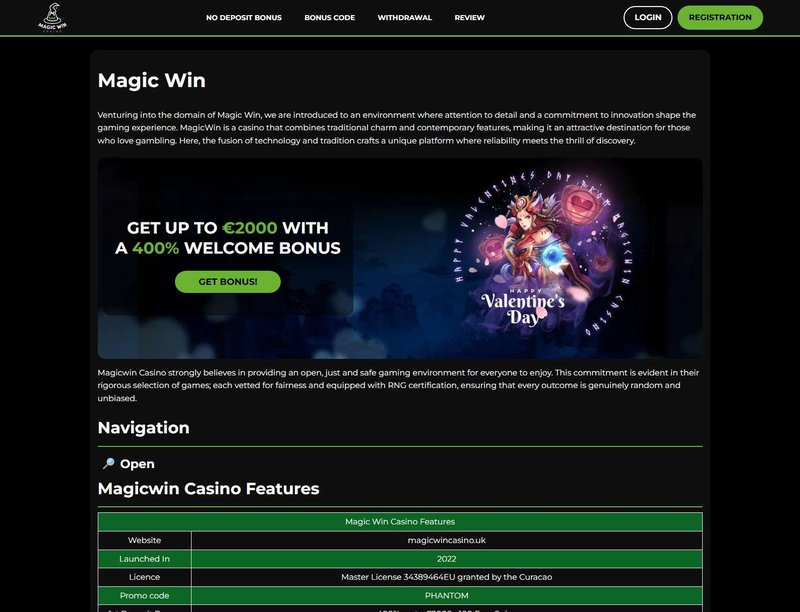
For a quick diversion, many gamers try their luck at online slots and discover a Magic win that adds a splash of excitement to their break.
Monetisation without alienating fans
Subscriptions on Twitch cost £4.99 per month, but most UK creators supplement income with tiered Patreon pages. The average Patreon tier in the UK is set at £7, offering members a monthly “behind‑the‑scenes” video. A case study of a mid‑size gaming channel revealed that 18 % of its viewers were paying patrons, generating roughly £2,300 per month—enough to cover the cost of a high‑end PC and a modest marketing budget.
Ad‑revenue remains volatile; CPM rates fell from £7.20 to £5.80 between Q1 2022 and Q4 2023. Because of that, many streamers diversify with merch drops, such as limited‑edition hoodies printed with inside jokes that sold out within 48 hours.
From live streams to broader entertainment
These immersive communities are blurring the line between gaming and other forms of online entertainment. As an aside, a recent collaboration saw a popular UK streamer partner with a skincare brand to host a “Magic win” giveaway during a charity marathon, demonstrating how gaming influence can extend into entirely different market sectors.
Which path should a new creator take?
If you’re starting out, focus on one platform first—preferably Twitch, because its audience size and monetisation tools are the most mature. Invest in a decent webcam (at least 1080p) and a stable internet connection of 30 Mbps upload speed; that’s all you need to deliver a clear, low‑lag stream. Once you’ve built a modest follower base (aim for 500 regular viewers before expanding), add a Discord server to keep the conversation going off‑air.
Later, experiment with VR or mixed reality if your budget allows, but remember that content consistency outweighs flashy tech. In the UK, the community thrives on regional camaraderie and a touch of British humour—bring those elements into your streams, and the audience will reward you with loyalty, chat activity, and, eventually, a sustainable income.