
When it comes to creating an immersive experience in any casino environment, sound control placement is essential. At Casiny Sound Control Placement Casiny, sound plays a critical role in how players engage with games, socialize with others, and ultimately enjoy their time at the casino. This article explores the importance of sound control placement, its impact on the gambling atmosphere, and practical tips for optimizing acoustics in casino settings.
The Importance of Sound in a Casino Environment
Sound influences the mood, engagement, and overall experience of casino patrons. A well-designed sound environment can entice players to stay longer, increasing both game revenue and customer satisfaction. Conversely, poor sound placement can lead to discomfort, disorientation, and a diminished gaming experience.
Various sound elements interact dynamically within a casino, including background music, game sounds, and the bustling chatter of patrons. Effective sound management ensures that these elements complement each other rather than clash, thus creating a harmonious environment. This is particularly crucial in venues like Casiny, where a carefully curated auditory experience can contribute to the brand identity and customer loyalty.
Understanding Sound Control Placement
Sound control placement involves strategically positioning speakers, sound dampening materials, and acoustic panels to create an ideal auditory landscape. Various factors must be considered, including the layout of the space, the type of sounds being emitted, and the audience’s needs. Here are key components to consider:
1. Speaker Placement
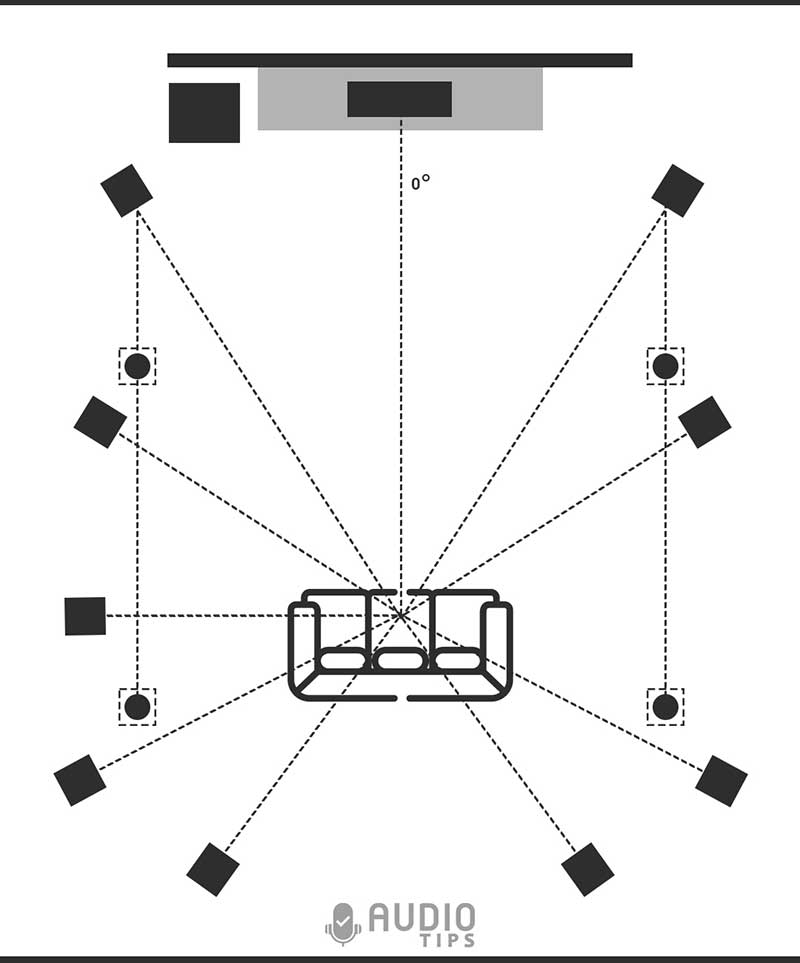
Where and how speakers are placed can significantly affect sound distribution within a casino. In larger spaces, it’s often beneficial to use a distributed sound system rather than a central one. This means placing several smaller speakers throughout the casino rather than relying on a few large speakers. Doing so minimizes sound distortion and ensures an even distribution of audio.
It’s crucial to avoid placing speakers directly facing gambling tables or seating areas. Instead, consider positioning them at an angle to disperse sound evenly across the area. Lower frequencies, like bass from music, can be particularly challenging and may require additional consideration to prevent overwhelmed patrons from causing discomfort.
2. Acoustics and Design
The architectural design of the casino plays a crucial role in sound control placement. High ceilings, large open spaces, and hard surfaces can create echoes, amplifying unwanted sounds and reducing sound clarity. Incorporating acoustic panels and sound-absorbing materials can help mitigate these issues. These materials can be strategically placed on walls, ceilings, and even floors to enhance overall sound quality.
3. Background Music and Game Sounds
Deciding on the type and volume of background music is vital. The aim is to create an ambiance that boosts excitement without overpowering conversations or game sounds. Consider the demographics of the crowd and their aesthetic preferences when selecting music to cultivate an enjoyable experience.
Moreover, game sounds—be it the ding of slot machines or the shuffle of cards—should be well-balanced. These sounds have a psychological impact on players, influencing their perception of luck and enjoyment. Careful coordination of these elements can create an enhanced atmosphere that encourages players to engage more deeply with the games.
Implementing Sound Control Strategies
Having explored the various aspects of sound control placement, there are actionable strategies casino managers can implement to optimize sound environments:
1. Conduct a Sound Audit
Before making changes to sound placement, it’s crucial to conduct a sound audit. This involves assessing current sound levels, identifying areas of excessive noise or inadequate sound quality, and understanding customer feedback regarding their auditory experience. Surveys can provide insight into the sound preferences of patrons, helping to tailor the sound environment to audience expectations.
2. Use Professional Sound Design Services
Engaging professionals who specialize in sound design can help in the effective layout of sound systems. Experts can analyze spatial acoustics and acoustical properties, ensuring optimal sound placement that aligns with casino design and patron behavior.
3. Regular Maintenance and Adjustment
The sound environment of a casino should not be a static design. Regularly updating the sound system and the types of music played is crucial to keeping the experience fresh and aligned with customer expectations. Periodic evaluations can ensure that the sound setup remains effective and engaging.
Conclusion
In summary, sound control placement is a key factor in designing an engaging and enjoyable casino atmosphere. By understanding the intricacies of sound dynamics, strategically placing sound elements, and regularly evaluating the auditory experience, casino managers can create environments that enhance participation and enjoyment. At Casiny, focusing on sound control is not merely an afterthought; it is a core component of a holistic strategy to elevate both player engagement and overall satisfaction.

Creating the ideal sound environment requires careful planning and execution, but the payoff in terms of customer loyalty and revenue can be substantial. As the casino landscape continues to evolve, prioritizing sound design will be an essential component in the quest to deliver unforgettable gaming experiences.

